
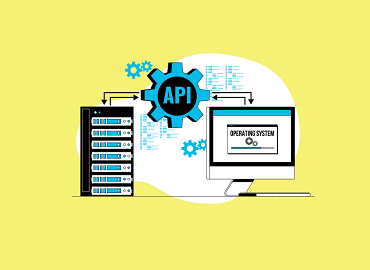
Testing is the sheriff in town, bringing order and reliability to the development process. It ensures code performs as intended. Debugging is the deputy.
The testing phase and then the debugging phase of your software development life cycle (SDLC) can often feel like the Wild West, where chaos reigns and anything goes. Without proper testing and debugging, even the most promising software projects can spiral out of control, leading to bugs, security vulnerabilities and, ultimately, a product that fails to meet user expectations.
Testing is the sheriff in town, bringing order and reliability to the development process. It ensures that every piece of code performs as intended, preventing costly errors and fostering user trust. Debugging is the deputy, following up from the testing phase to analyze and fix the identified defects.
By prioritizing these areas, teams can tame the wild landscape of software development, delivering high-quality, robust applications that stand the test of time. But this isn’t my first rodeo, so I figured I would share a few best practices as it relates to API testing and debugging.
1. Integrate Your Testing With CI/CD Pipelines
A fundamental best practice in API test automation is integrating it into a CI/CD pipeline. CI/CD pipelines automate the process of integrating code changes, running tests and deploying applications, acting as the cornerstone of ensuring that issues are detected and resolved early.
Effective CI/CD integration requires robust test automation frameworks and tools that can seamlessly integrate with the pipeline so you can ensure that every code change is thoroughly tested before deployment. Fortunately, most API test automation tools seamlessly integrate with CI/CD pipelines, creating quality gates for deployments and reducing the risk of deploying faulty code to production.
Treat test code as rigorously as production code by including code reviews and versioning. Design your test suite for speed and reliability to provide quick feedback in CI/CD environments, enabling frequent and confident releases that support the rapid iteration central to agile methodologies.
Execute your API tests at various stages of the CI/CD pipeline, from unit tests in the development environment to integration and performance tests in staging environments. This continuous testing approach provides you with immediate feedback to help catch defects early and prevent them from reaching production.
2. Make Your Overall Test Strategy as Robust as Possible
Designing a robust testing framework rather than approaching the problem ad hoc is a strategic best practice. Prioritize critical endpoints and functionalities based on business impact and risk and balance different test types (functional, performance, security) to ensure comprehensive coverage.
Align test objectives with overall product quality goals and service-level agreements, ensuring that your testing efforts directly contribute to the product’s success metrics and customer satisfaction. This alignment aids in making informed decisions about resource allocation, allowing you to focus on testing the most crucial aspects of your API.
And remember to always incorporate API testing early in the development cycle and conduct tests frequently to catch issues as soon as they arise. Part of designing that test strategy is developing clear and concise test cases that cover all possible scenarios, including edge cases, to ensure thorough testing. Additionally, be sure to maintain detailed documentation of all of these test cases, including the objectives, methods and results to facilitate future testing and troubleshooting.
3. Regularly Reviewing and Updating Test Suites
Tests are going to live with your product as long as your product lives. Thus, regularly reviewing and updating test suites is necessary to maintain their effectiveness over time. The core idea is to implement test coverage analysis as part of your regular development workflow, helping you identify areas that may need additional testing or where existing tests may have become redundant.
Regularly auditing your test suite for relevance and removing or updating obsolete tests ensures that your testing efforts remain focused and efficient. Advanced techniques like mutation testing assess and improve the quality of your tests.
This ongoing refinement of your test suite improves the quality of your API, and enhances the overall efficiency of your development process.
4. Shift Left by Creating Prod-Like Test Environments
Adopting a “shift-left” mentality, considering error scenarios early in development, helps catch potential issues before they become more costly. “Shift left” in testing means integrating testing activities earlier in your SDLC, rather than the traditional approach where testing is performed toward the end.
We already discussed making sure your tests connect through your CI/CD pipelines – but before that, we can take another step to ensure your API tests catch bugs before they even enter your CI/CD by creating production-like testing environments.
This concept encourages developers to focus on identifying and resolving defects as early as possible — ideally during the initial stages of development. The addition of a prod-like environment for testing shifts your tests even further left, catching bugs sooner and getting feedback to your devs faster.
Additionally, another thing that can help with shifting left is incorporating both positive and negative test scenarios and providing a comprehensive view of API behavior. Techniques like equivalence partitioning and boundary value analysis allow you to design comprehensive test cases covering a wide range of scenarios.
Pay attention to input validation and error handling in your API design, and consider security implications in your negative testing, including potential injection attacks or data leakage scenarios, ensuring your API is functional and secure.
5. Don’t Forget Debugging: Breakpoint Best Practices
Once you get the testing right, debugging is the next step. Debugging is the systematic process of identifying, analyzing and resolving bugs, errors or defects that you discovered in your testing phase. Using breakpoints effectively is a cornerstone of efficient debugging.
Breakpoints allow developers to pause program execution at specific points, providing an opportunity to inspect the current state of the application. To make the most of breakpoints, make sure to place them strategically at locations where issues are suspected. A few other debugging breakpoints tips to consider:
- Conditional breakpoints can be particularly powerful, enabling the code to pause only when certain conditions are met and reducing the time spent stepping through irrelevant code.
- Use breakpoints to verify assumptions about how the code is executed and to trace the flow of execution in complex algorithms.
- Remove or disable breakpoints once the debugging session is complete to avoid unintended interruptions during future runs.
You Have Testing Tricks, What About the Debugging Tool?
Every testing sheriff needs a debugging deputy to help them get the job done. Blackbird, Ambassador’s new API development tool available for easy access, assumes that role. Blackbird is a tool to shift the testing before production, with the following features:
- IDE integration: Easy access to code where you work to debug quickly and seamlessly
- Built-in breakpoints: Debug with breakpoints, to deliver high-quality code
- Hosted environment: Run routine code tests in a hosted (prod-like) environment to enable better testing throughout your development life cycle
Regardless of which tool you used to help tame your API Wild West, the most important thing I want to leave you with is to be sure to test, debug often and test again. Your APIs and your end users will thank you for it.
https://thenewstack.io/reining-in-the-api-wild-west-5-api-testing-best-practices/a>